
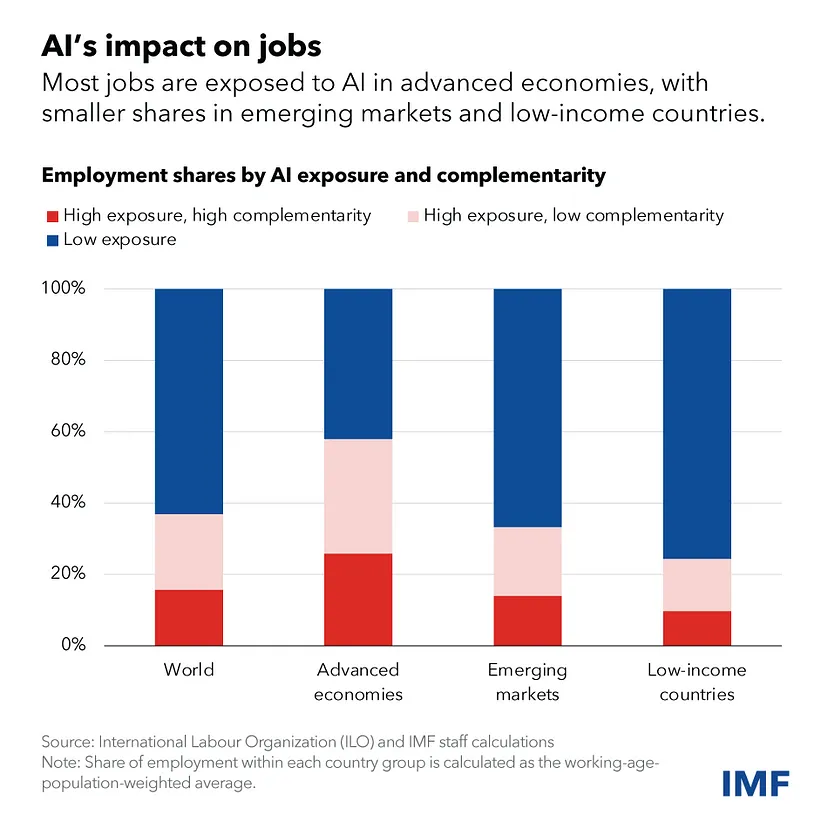
In a world where artificial intelligence is becoming increasingly prevalent, its impact is impossible to ignore. An insight from the International Monetary Fund emphasises that in Global markets, around 40% of jobs are poised for transformation through AI, promising a leap in productivity for nearly half of these roles. This global narrative brings us to a pivotal moment for India, a nation on the brink of a technological revolution, yet facing unique linguistic challenges that could either hinder or harness the full potential of AI.
The Indian Context: A Linguistic Jugalbandi
In India, a nation that communicates through more than 1,652 languages and dialects, with 22 of them recognized as official languages, language forms a vivid mosaic of cultural identity. Yet, this rich diversity also poses a significant challenge in the era of artificial intelligence. Think about it: in a country of over 1.4 billion people, only about 12% speak English fluently. This means the vast majority might be left behind, as most AI tools are developed with English-speaking users in mind. This gap underscores a critical need for inclusivity, aiming to ensure that India’s AI journey doesn’t only benefit a select few but is accessible to and reflective of the vast array of voices that shape the nation.

Bridging the Gap: Efforts and Obstacles
Initiatives by organisations like Bashini AI, Sarvam AI, and academic endeavours such as IIT-Bombay’s Hanooman and Bharat GPT aim to make strides in Indic language AI development. Yet, the journey is far from straightforward. The complexity and nuanced nature of Indic languages pose significant challenges for existing language models that were primarily developed for the comparatively simpler English language.
To provide a clear example of these challenges, consider the comparison between English and Telugu, a Dravidian language spoken by over 84 million people around the world. In contrast to English, which has 26 alphabets, Telugu celebrates a more intricate system with 56 alphabets, comprising 16 vowels and 40 consonants.This diversity in alphabets and it’s grammatical conventions not only enriches the language with a broad spectrum of sounds and expressions but also introduces a layer of complexity in the way words and sentences are crafted, setting it apart significantly from the simpler linguistic structures of English. For AI models to effectively generate high-quality content in Telugu, a profound understanding of these linguistic nuances and complexities is essential. Without grasping these unique language characteristics, the output risks lacking the essence and precision necessary to truly connect with and benefit the Telugu-speaking audience.